
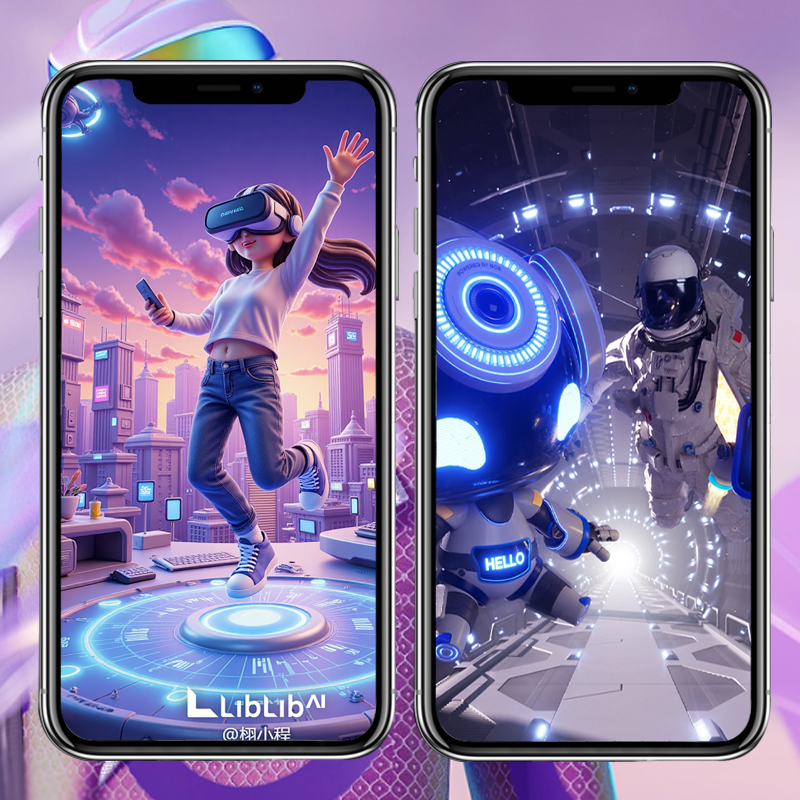
The development of virtual exhibition hall scenes focuses on creating immersive digital display Spaces. Through 3D modeling, real-time rendering and interaction technologies, it breaks through physical limitations to reconstruct the exhibition experience.
1. High-precision scene restoration
Millimeter-level replication is achieved by using laser scanning and BIM technology
The dynamic light and shadow system simulates the effects of natural light and display cabinet lighting
Supports seamless switching among VR, AR and Web terminals
2. "Intelligent Interaction Design
Gesture recognition controls the rotation/disassembly of exhibits
AI virtual tour guides offer personalized explanations
- Multi-person online collaborative exhibition viewing (real-time annotation and discussion)
3. Data-driven operation tools
Audience heat map analysis of the attractiveness of the exhibits
Digital twin management system for exhibits
Integrated connection of reservation, ticketing and shopping mall
"Industry Solutions"
▶ Cultural Relics and Museums Field: Digital Twin Museum (Supporting XR restoration Demonstration of Cultural Relics)
▶ Enterprise Application: 3D Product Exhibition Hall (Interactive Disassembly of Cars)
▶ Educational Scene: Virtual School History Museum (Time-travel Narrative)
"Technological Breakthrough"
✓ 8K real-time tracing rendering
✓ Lightweight scenarios with millions of views
✓ Web3.0 Convergence (Digital Collectibles /NFT Tickets)